What Are Chakras?
In many Eastern spiritual traditions, chakras are described as centers of energy within the body. The concept originates in ancient Hindu texts and later became widely referenced in yoga and meditation practices. The word chakra comes from Sanskrit and means “wheel” or “disc,” referring to the idea of spinning centers of energy that correspond to different aspects of physical, emotional and spiritual awareness.
Traditional teachings describe seven primary chakras aligned along the spine, beginning at the base of the body and extending to the crown of the head. Each chakra is associated with particular themes of human experience and is often represented by a specific color and symbolic element.
Many people use meditation, breathwork, music, crystals or mindfulness practices as ways to reflect on these energy centers and create a greater sense of balance and awareness in their lives.
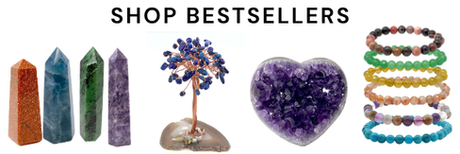
Click here to shop for Chakra items
The Seven Chakras
Root Chakra - Red - Element Of Earth
The Root Chakra is located at the base of the spine and is traditionally associated with stability, security and a sense of grounding. In chakra teachings, it represents our connection to the physical world and the foundations of daily life.
Sacral Chakra - Orange - Element Of Water
The Sacral Chakra, located just below the navel, is linked with creativity, emotional awareness and personal expression. It is often connected to themes of inspiration, relationships and the ability to experience joy.
Solar Plexus Chakra - Yellow - Element Of Fire
The Solar Plexus Chakra sits in the upper abdomen and is commonly associated with confidence, personal power and self-identity. In many traditions, it represents the inner drive that motivates people to act, create and pursue their goals.
Heart Chakra - Green - Element Of Air
The Heart Chakra, located at the center of the chest, symbolizes compassion, empathy and emotional connection. It is often associated with relationships, forgiveness and openness toward others.
Throat Chakra - Blue - Element of Sound/Vibration
The Throat Chakra is associated with communication and self-expression. Located in the throat area, it represents the ability to speak truthfully, listen carefully and share ideas clearly.
Third Eye Chakra - Indigo Or Purple - Element Of Light Or Insight
The Third Eye Chakra, located between the eyebrows, is connected with intuition, perception and inner awareness. In many traditions, it represents the ability to see beyond surface appearances and develop deeper understanding.
Crown Chakra - White Or Violet - Element Of Connection
The Crown Chakra sits at the top of the head and is often described as the center of higher awareness and spiritual connection. In traditional teachings, it represents a sense of unity, perspective and understanding beyond the individual self.
The Relationship Between Stones and Chakras
Many people enjoy pairing crystals and gemstones with chakra practices. In these traditions, stones are believed to carry symbolic qualities that align with particular chakras.
While color is often used as a visual guide, many crystal enthusiasts choose stones based on traditional associations rather than color alone. For example, the Root Chakra is commonly represented by red but is also frequently linked with darker stones such as Smoky Quartz, Obsidian and Black Tourmaline.
Whether used during meditation or simply displayed in the home, crystals are often appreciated for their beauty and for the intention they represent within these traditions.
The Relationship Between Music and Chakras
Sound and vibration also play an important role in many meditation and wellness practices. Music, singing bowls, steel tongue drums and tuning forks are healing instruments often used to create calming tones that help people relax and focus.
Some traditions associate particular musical notes or frequencies with each chakra, though these correspondences can vary depending on the system being used. Regardless of the specific method, many people find that sound-based practices help create a peaceful atmosphere for reflection and mindfulness.